
再见阿郎启智润心丨让思政课出新出彩_我的网站
A | 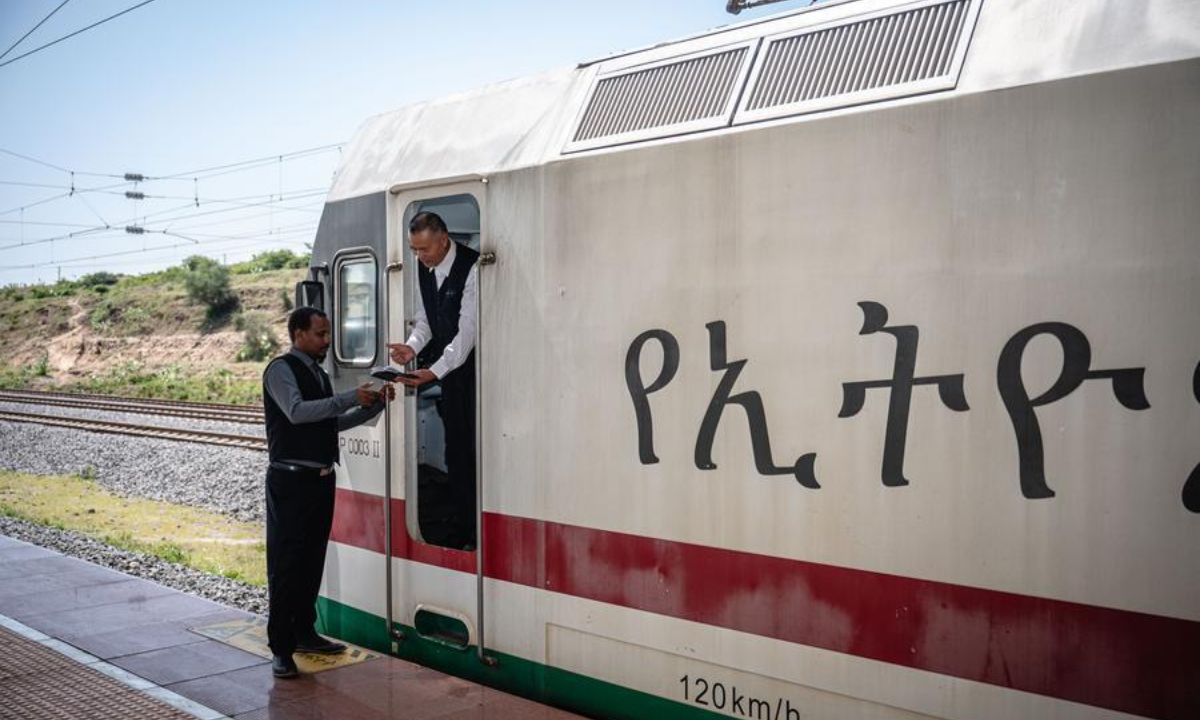 What explains China's growing appeal? For many developing countries, China offers a practical development partnership centered on infrastructure, investment, industrialization, technology transfer and trade. Rather than prescribing a single pathway to modernization, it has generally emphasized allowing countries to pursue development in line with their national priorities. One reason China's influence has grown is that its development model is highly visible. From Ethiopia's railways to Pakistan's power plants, Chinese-financed projects address everyday development challenges by improving transport, energy security and connectivity. Through the Belt and Road Initiative, China has mobilized nearly 1 trillion U.S. dollars in infrastructure investment, producing projects that citizens can see, use and associate with economic progress. The distinction lies not only in the scale of investment but also in the evolving priorities of development cooperation. While many Western partners have increasingly emphasized economic security, strategic de-risking, private-sector mobilization and governance reform, China has combined large-scale investment in physical infrastructure with technology transfer, industrial cooperation and human capital development. At the same time, China has actively promoted trade by expanding market access, including granting zero-tariff treatment to many least-developed countries, deepening currency-swap arrangements, and encouraging the use of local currencies in cross-border trade. Together, these measures seek to strengthen economic connectivity, reduce transaction costs and exchange-rate risks, and create new opportunities for developing countries to integrate into regional and global value chains. 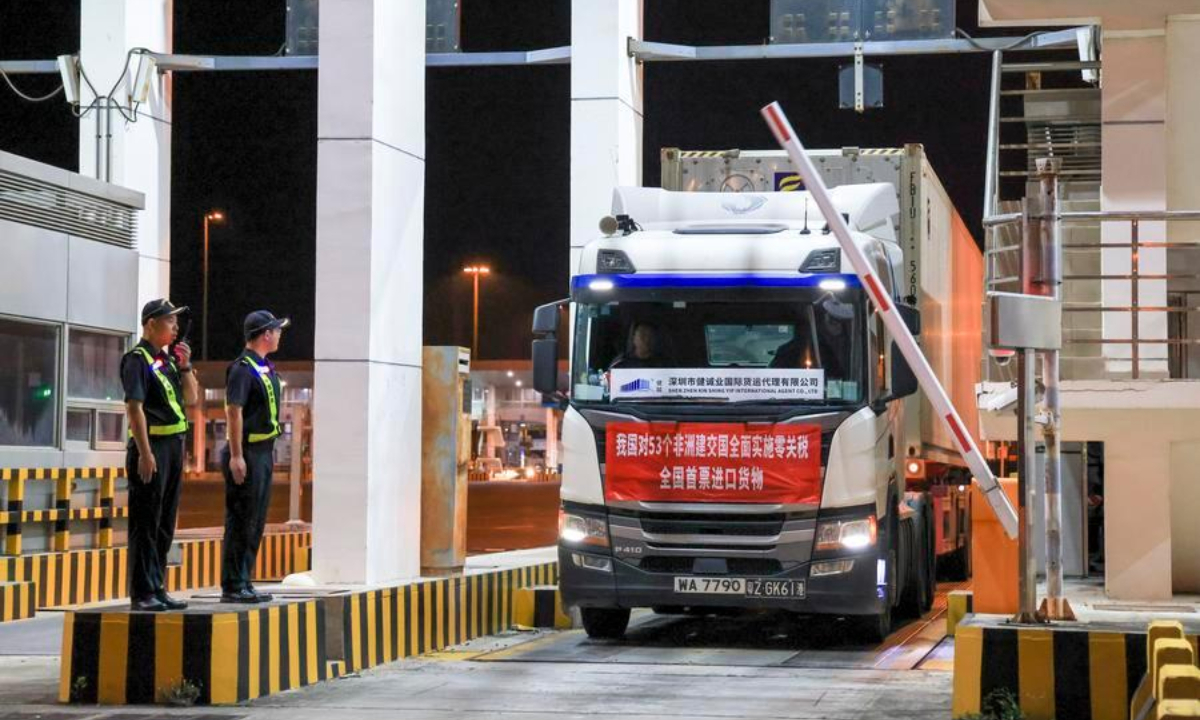 This integrated approach has produced tangible improvements in productivity, connectivity and local capacity, reinforcing perceptions of China as a long-term development partner. Equally important is the philosophy underpinning China's engagement. Beijing consistently emphasizes sovereignty, mutual respect and non-interference, maintaining that every country should determine its own political and development path. For many governments across the Global South, this approach is a partnership based on equality rather than political conditionality, allowing them greater policy space to pursue domestic development priorities. Diplomatic style has also influenced perceptions. Through mechanisms such as the Forum on China-Africa Cooperation and regular engagement with Pacific Island countries, China has committed itself to equality and shared development. For many governments in the Global South, that sense of respect and recognition is not merely symbolic -- it contributes to long-term political trust. Perhaps the most important nuance is this: the Global South is not becoming anti-American; it is becoming strategically pragmatic. Its foreign policy decisions are increasingly guided by national interests, economic opportunity, and development priorities rather than Cold War-style geopolitical alignment. The Global South's primary ambition is neither ideological nor geopolitical -- it is developmental. Governments want to create jobs, eliminate poverty, modernize infrastructure, strengthen industrial capacity and improve the quality of life for their citizens. China's transformation over the past four decades, from lifting hundreds of millions of people out of poverty to becoming a global leader in infrastructure, manufacturing and technology, has demonstrated what sustained long-term planning can achieve. Consequently, many developing countries are looking to China not as a model to replicate wholesale, but as a development partner from which they can learn, cooperate and pursue shared prosperity while preserving their own policy autonomy. This contrast is also reflected in broader policy priorities. At a time when many Western governments are increasingly emphasizing tariffs, export controls, technology restrictions, sanctions and economic security, China has continued to promote infrastructure investment, trade, industrial cooperation, technology partnerships, open-source AI initiatives and greater access to its domestic market. Whether one agrees with either approach or not, many developing countries evaluate partnerships primarily through the lens of economic development and tangible outcomes. That difference in emphasis is helping reshape global perceptions. 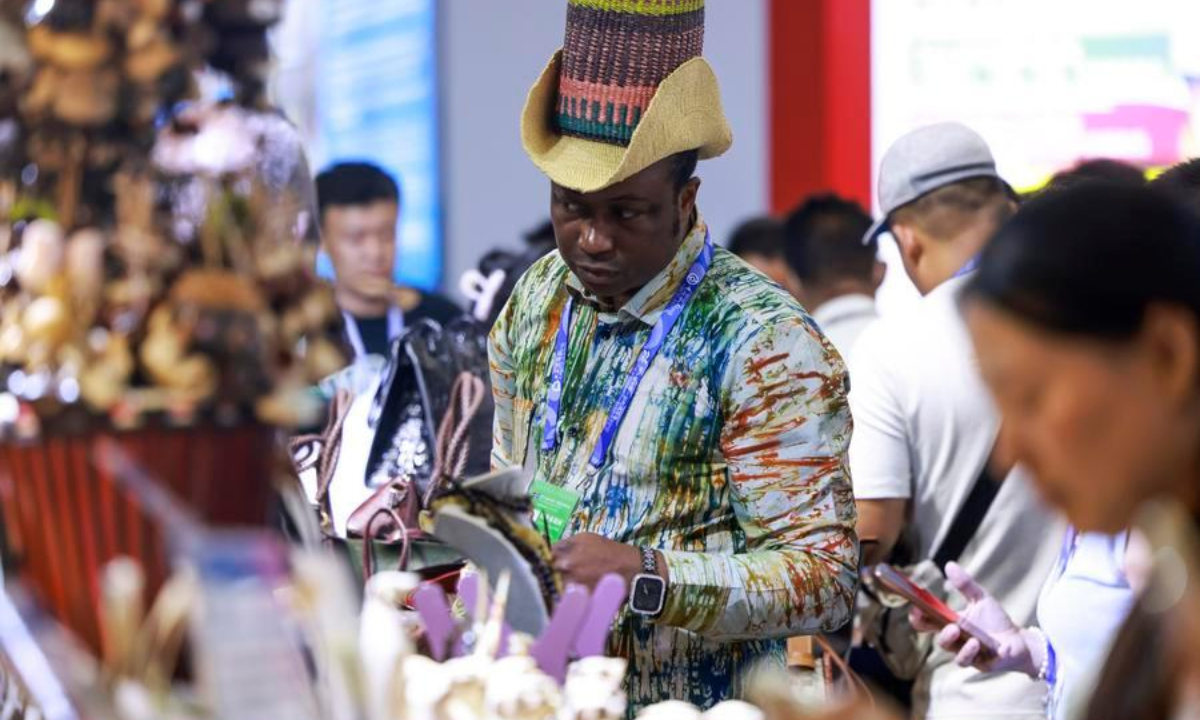 The world is changing, and the transition toward a more multipolar international order is becoming increasingly evident. The Global South is no longer a passive participant in world affairs. Its countries are exercising greater strategic autonomy, making decisions according to their own national interests, development priorities and the aspirations of their people. In China, developing countries have found a true friend and good partner. Editor's note: Maya Majueran serves as the director of the Belt and Road Initiative Sri Lanka, an independent and pioneering organization with strong expertise in Belt and Road Initiative advice and support. 。 今夏以来,由市委宣传部、市教育局等部门组织开展的“启智润心”未成年人心理健康工程正式启动,通过上好道德与法治、心理、体育、研学“四堂课”,护航青少年健康成长。 日前,在顺城区新华一校的课堂上,道德与法治课教师刘峰以《仓颉造字》的故事为线索,带领学生“穿越时空”,“对话”仓颉,追寻造字之源。 新华一校道德与法治课教师刘峰说:“ 通过一段段小故事让学生们了解和感受汉字文化的魅力,培养他们的文化自信和民族自豪感。” 青少年阶段是树立正确世界观、人生观、价值观的关键时期,道德与法治课作为小学阶段的思政课,对于青少年的健康成长至关重要。自5月份以来,市委宣传部针对小学6个年级、12本教材的教学内容梳理出53个“故事征集标签”,征集审定773个思政故事。把思政故事融入小学“道德与法治”课堂,用小故事讲好大道理,在生动的故事情节中“滴灌”思想理论,并把思政课与学校常规工作、社会实践、研学交流等有机融合,让思政课成为学生真心喜爱、终身受益的立德树人“金课”。
B | 新华一校校长马晓明说:“ 在党史故事中,有一篇《歌唱祖国:党和人民永远的大合唱》的小故事,讲述了《歌唱祖国》这首歌诞生背后的动人故事。我们利用升旗仪式时间,向学生讲述这个小故事,并一起合唱了这首歌,让爱党爱国的主旋律更加高扬。” 我市部分学校还将思政故事改编成情景剧、短视频,让学生拓展学习。
C | 抚顺市实验小学开展“思政故事我来讲”故事大赛等活动,传承文化经典,弘扬民族文化;顺城区抚顺城四校学生将《小英雄雨来》的故事拍成了小短剧,在全校播放。学生在听故事、讲故事、演故事中获得思想熏陶,潜移默化中树立正确的世界观、人生观和价值观。 责任编辑:刘春阳。 Current article:http://b2ct.gamajionghuanmuniuzhuanguchu.cyou/ldp/20260826/558428.html Published on:17:50:15 |


